

Metabolic Research
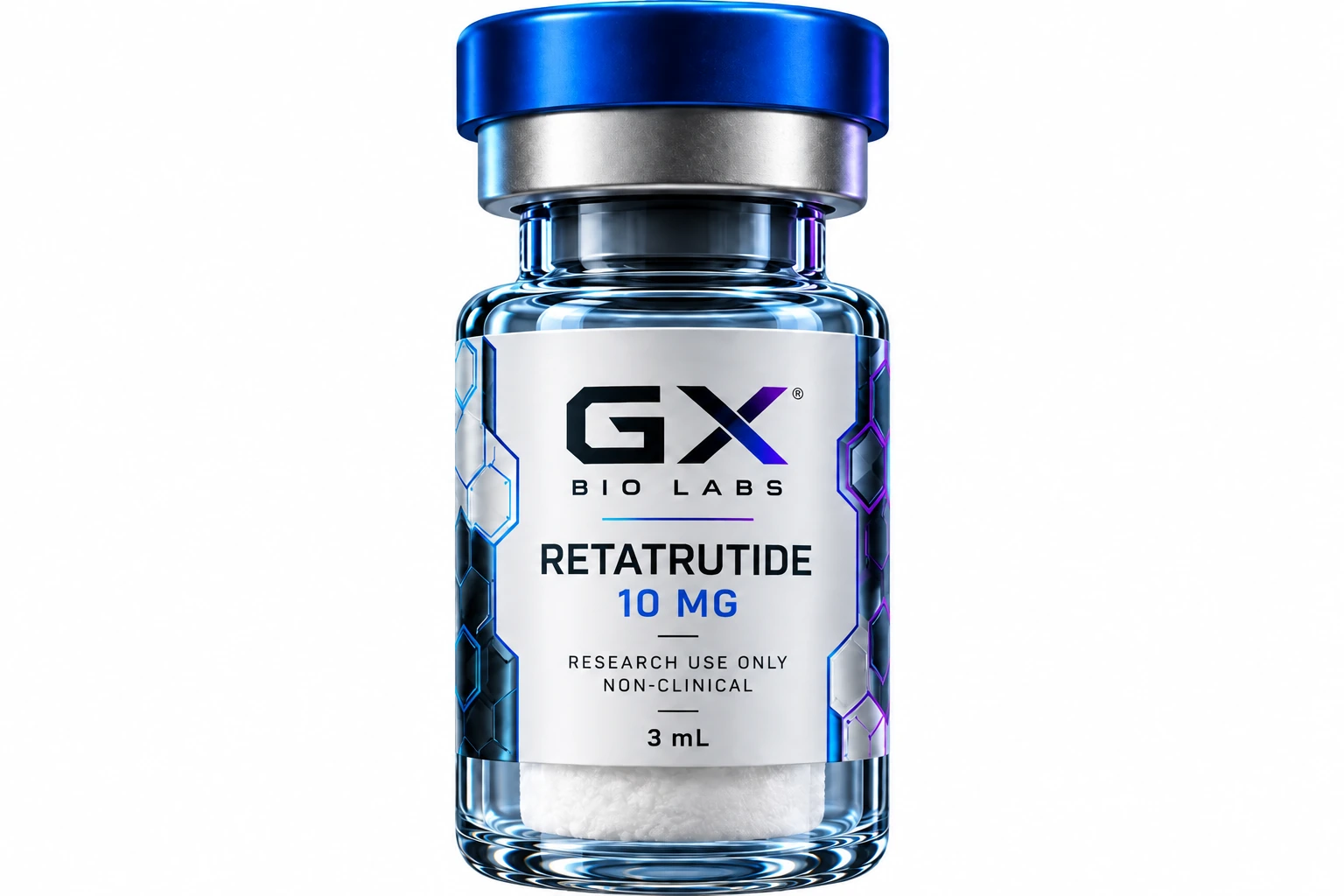
RetatrutideRetatrutide is a peptide that activates GIP, GLP-1 and glucagon receptors, studied in human trials of obesity and type 2 diabetes.
₹3,2001 vial
21 compounds · Prices in INR
Retatrutide is a peptide that activates GIP, GLP-1 and glucagon receptors, studied in human trials of obesity and type 2 diabetes.
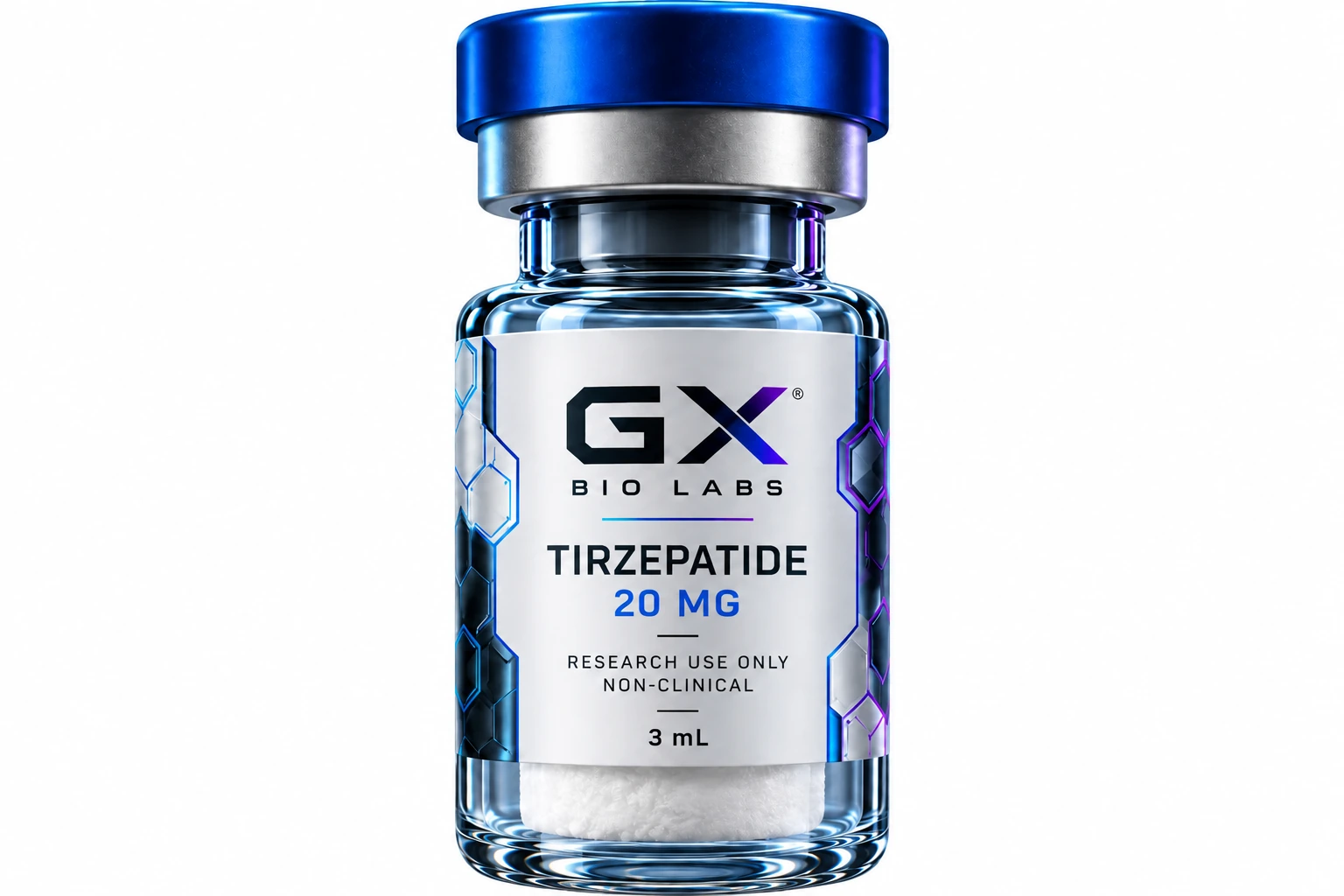
Tirzepatide (LY3298176) is a synthetic peptide studied for its activity at GIP and GLP-1 receptors and its role in incretin signalling.
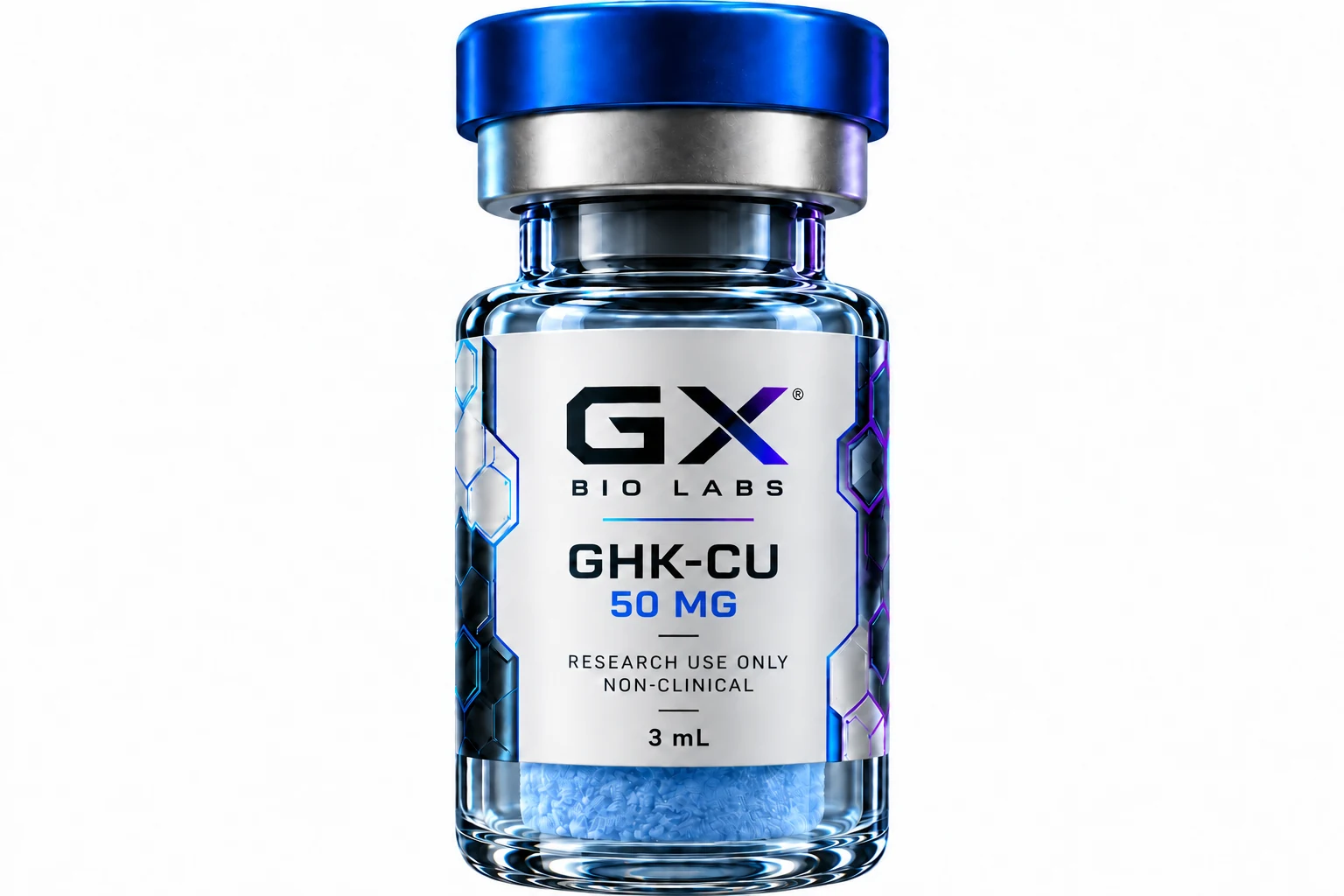
GHK-Cu is a copper complex of the tripeptide glycyl-histidyl-lysine, investigated in laboratory studies of collagen and skin biology.
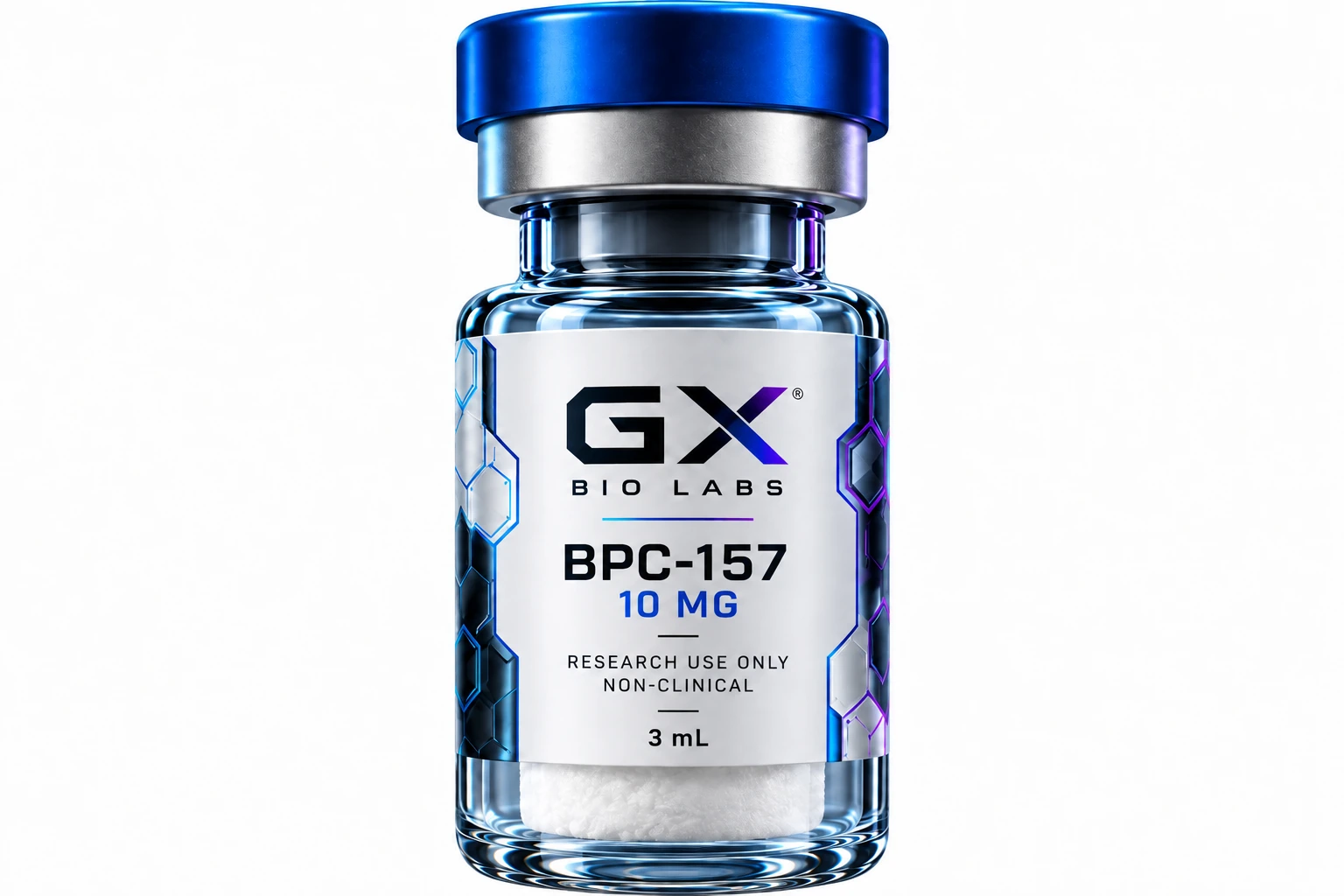
BPC-157 is a 15-amino-acid peptide investigated in preclinical models of tendon-cell signalling and blood-vessel formation.
TB-500 is a name used for research material associated with thymosin beta-4. The exact peptide sequence must be established before matching it to published studies.
MOTS-c is a mitochondrial-encoded peptide studied in cellular stress responses, muscle metabolism and exercise-related signalling.
A synthetic seven-amino-acid peptide studied in rat neurotrophin signalling and peptide-binding experiments.
A synthetic tuftsin-related peptide investigated in laboratory studies of GABA-associated gene expression.
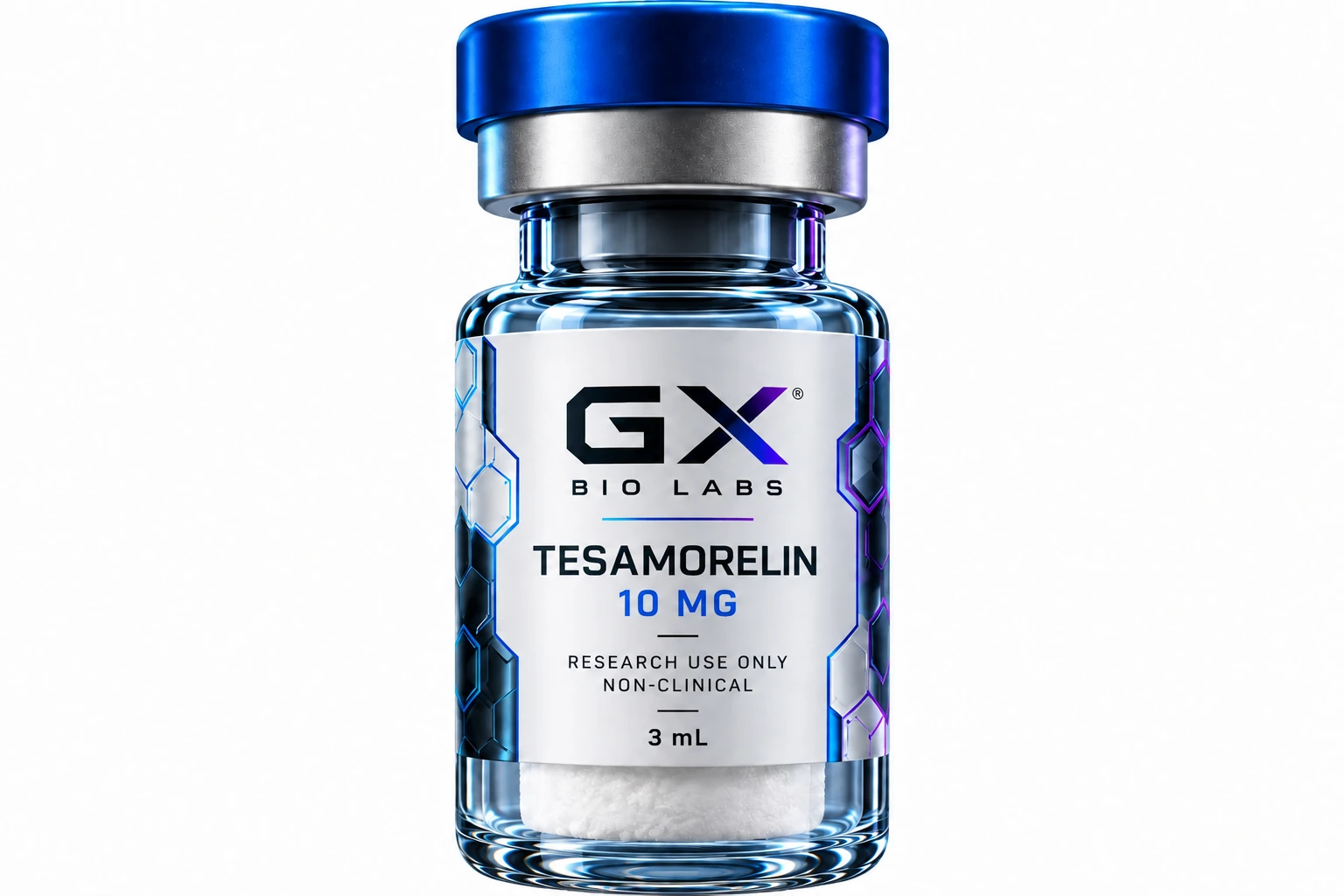
Tesamorelin is a growth hormone-releasing hormone analogue studied in defined clinical populations, particularly people with HIV-associated abdominal fat accumulation. Published findings concern the study formulations and do not establish the properties of this research vial.
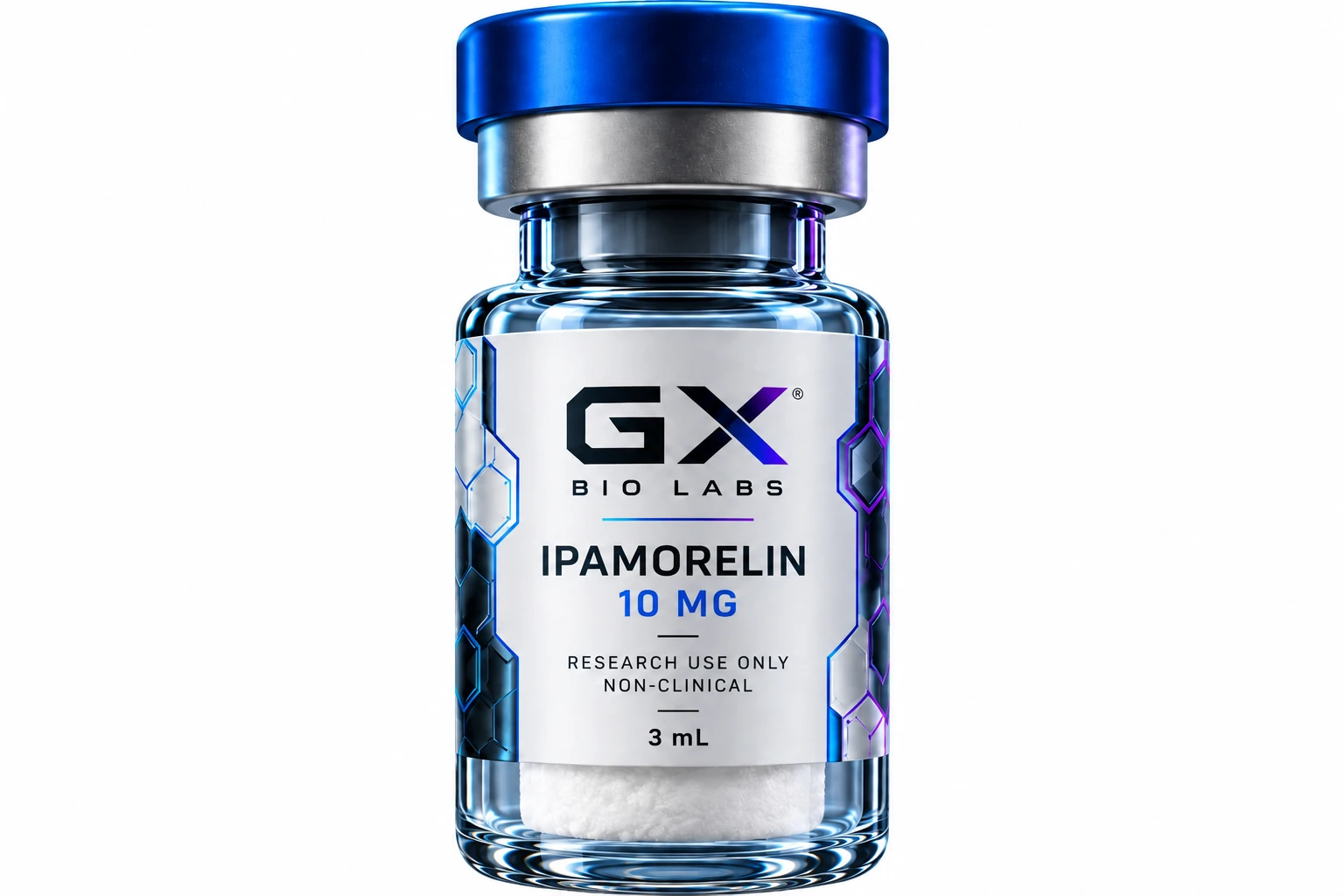
Ipamorelin is a synthetic peptide studied as a growth hormone secretagogue and ghrelin-receptor agonist. Its literature includes animal pharmacology and a human trial of postoperative bowel function, with distinct endpoints and limitations.
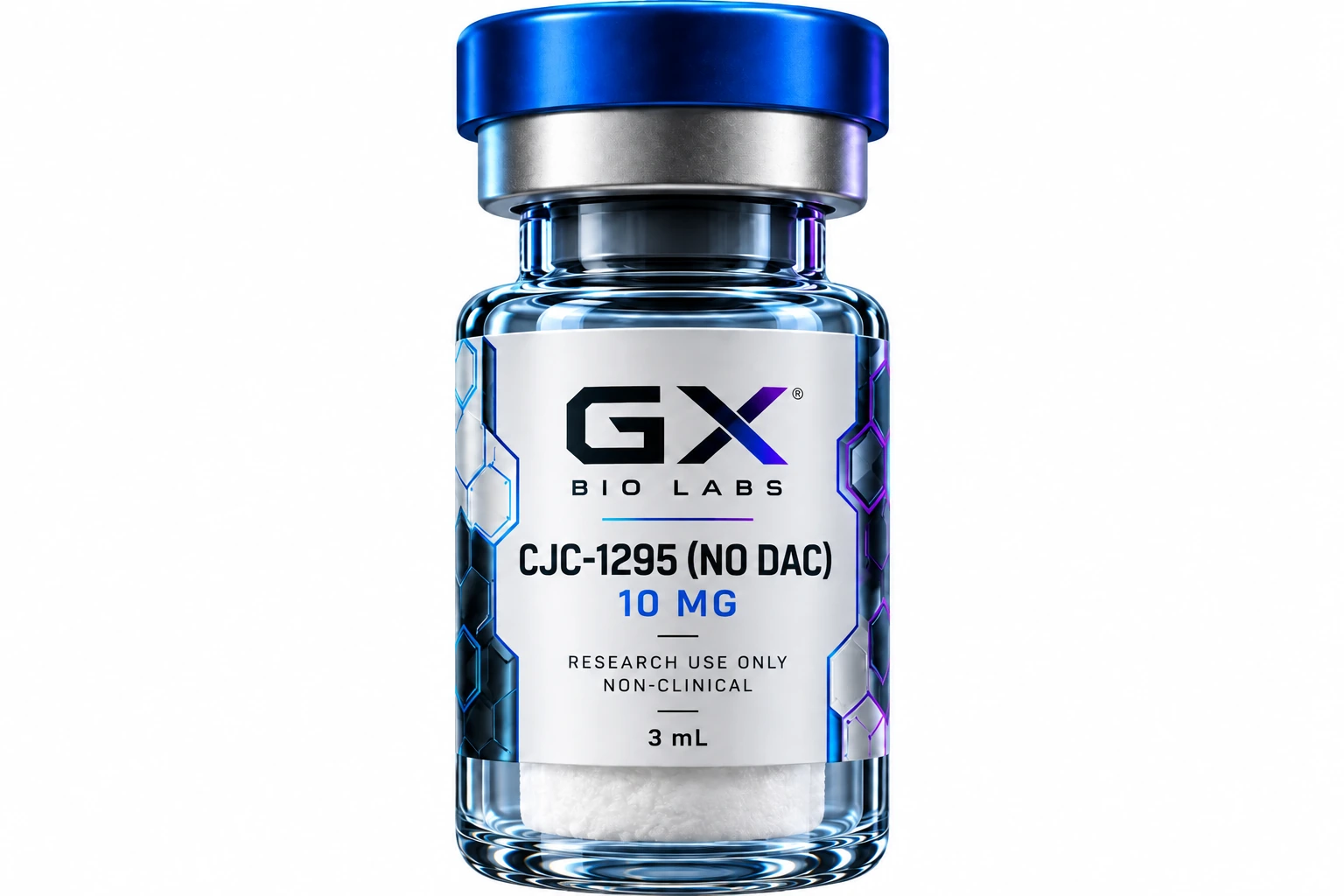
This listing is CJC-1295 No DAC. The linked human study concerns the related, long-acting albumin-binding CJC-1295 compound and is provided as context, not direct evidence for the no-DAC material.
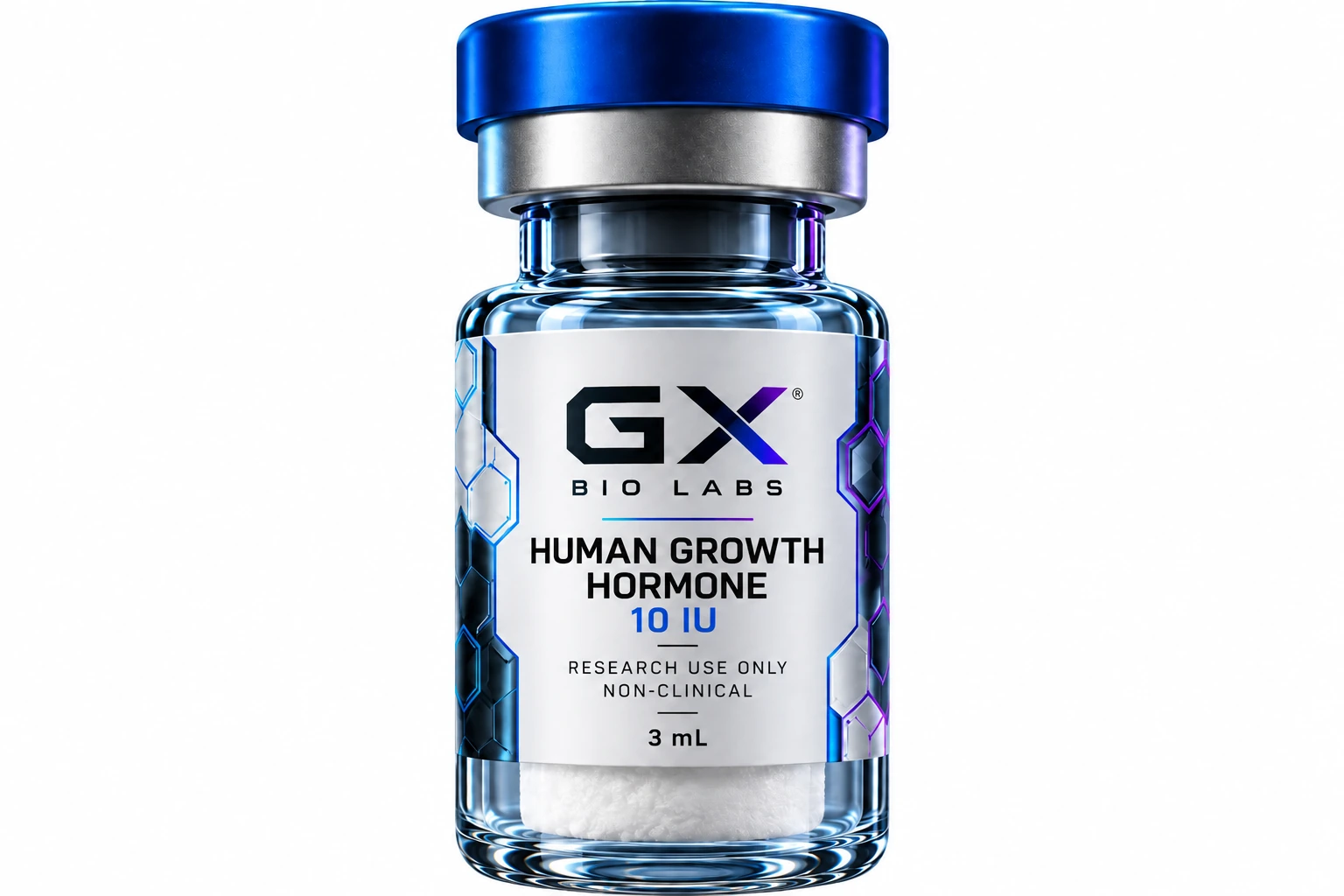
HGH denotes human growth hormone. Clinical research on recombinant growth hormone formulations, including somatropin, provides endocrine context but does not validate the identity, potency or clinical suitability of a research vial.
NAD+ is nicotinamide adenine dinucleotide in its oxidised form, a coenzyme involved in cellular redox reactions and enzyme activity.
KPV is the tripeptide lysine-proline-valine, studied in cell and mouse models of intestinal inflammation and targeted delivery.
PT-141, also known as bremelanotide, is a melanocortin-receptor agonist studied in defined clinical populations with sexual dysfunction.
Also called Epithalon, this four-amino-acid peptide has been investigated in human fibroblast cultures for telomerase and telomere responses.
A synthetic tripeptide investigated in cell models of oxidative stress, viability and proliferation.
Delta-sleep-inducing peptide has been examined in small historical studies of sleep recordings and daytime function, with inconsistent findings.
This listing combines CJC-1295 No DAC and ipamorelin at a stated 5 mg + 5 mg. The linked research concerns an individual component and does not test or validate the combined blend.
KLOW is an 80 mg blend of GHK-Cu, KPV, BPC-157 and TB-500. Its research context comes from separate ingredient studies; the combined formula has not been validated by the papers linked here.
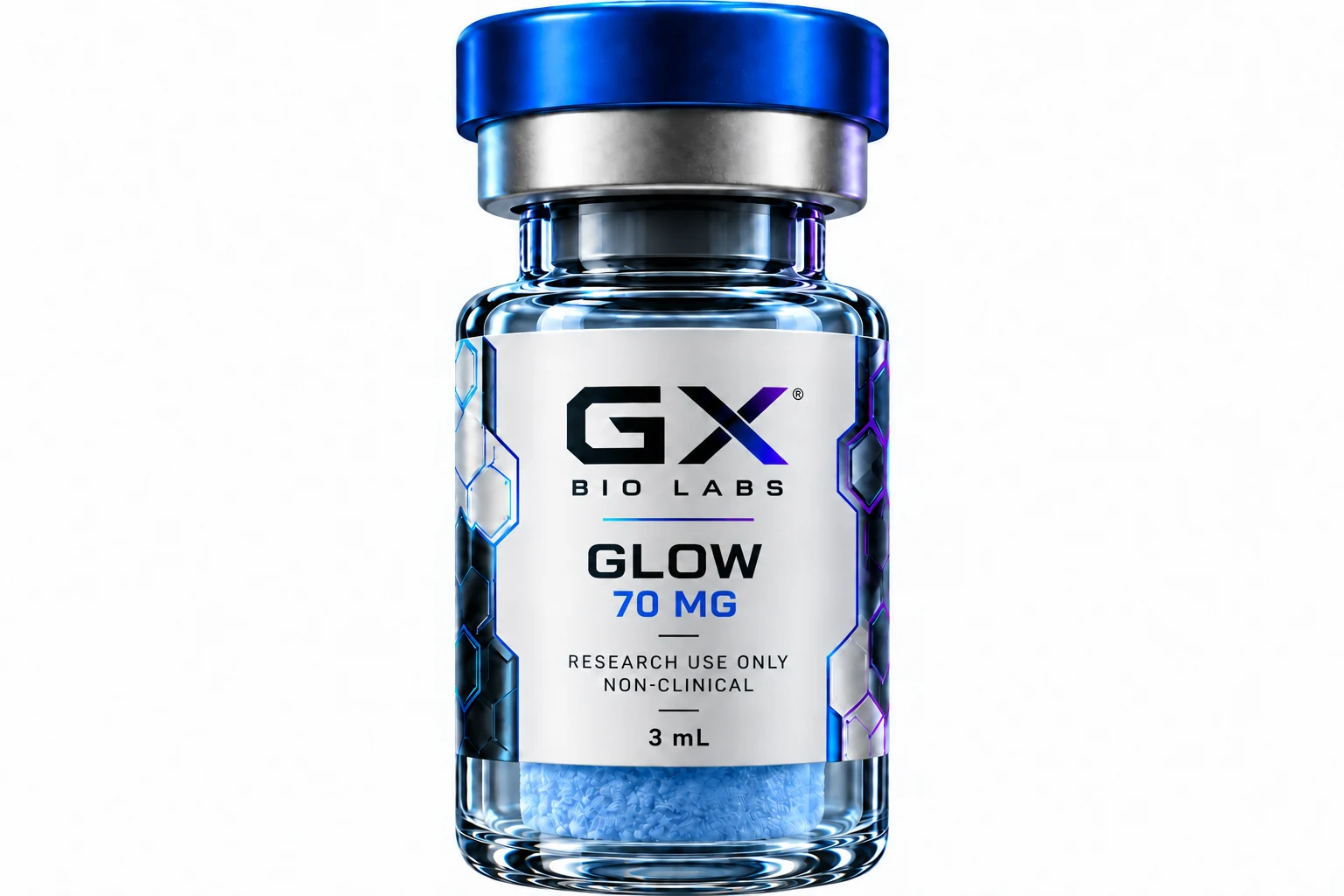
GLOW is a 70 mg blend of GHK-Cu, BPC-157 and TB-500. The linked studies provide component-level context rather than evidence for the combined formula.