PepT1-mediated KPV uptake and intestinal inflammation (2008)
KPV reduced NF-κB and MAPK signalling in cell experiments, with uptake linked to PepT1. The study also reported reduced severity in two chemically induced mouse colitis models.
Read studyGX BIO LABS · Product artwork
KPV is the tripeptide lysine-proline-valine, studied in cell and mouse models of intestinal inflammation and targeted delivery.
Not currently available
Check COA availabilityCOA not yet available for this strength
Not for human or veterinary administration. Listed strength is a supplied specification; see the matching batch report for measured results.
KPV is a three-amino-acid sequence associated with the C-terminal region of alpha-melanocyte-stimulating hormone. Researchers have investigated how the peptide enters intestinal epithelial and immune cells through the PepT1 transporter. A 2008 study linked this uptake to changes in inflammatory signalling and reported reduced disease severity in chemically induced mouse colitis. Later work placed KPV inside hyaluronic-acid-functionalised nanoparticles delivered in a hydrogel, studying cell targeting and intestinal tissue responses. That engineered delivery system is an essential part of the experiment. Its results cannot be assumed for unformulated KPV or mixtures with other peptides.
Each source identifies what was studied and the limits of its findings. Published research is separate from this product’s batch COA.
KPV reduced NF-κB and MAPK signalling in cell experiments, with uptake linked to PepT1. The study also reported reduced severity in two chemically induced mouse colitis models.
Read studyA KPV nanoparticle-and-hydrogel system was tested for cell uptake, inflammatory markers and mucosal injury in mice. Its results depend on the experimental delivery formulation.
Read studyKPV is currently listed in 10 mg. Select a strength above to see its price, product image and current stock. Listed quantities are supplied specifications, not measured batch results.
No laboratory report is currently published for this compound. Request the available documentation before relying on any batch-specific measurement. A scientific paper is not a substitute for a COA.
A catalogue listing is not a laboratory measurement. Check original documentation for the selected strength and batch before relying on identity, purity or quantity information.
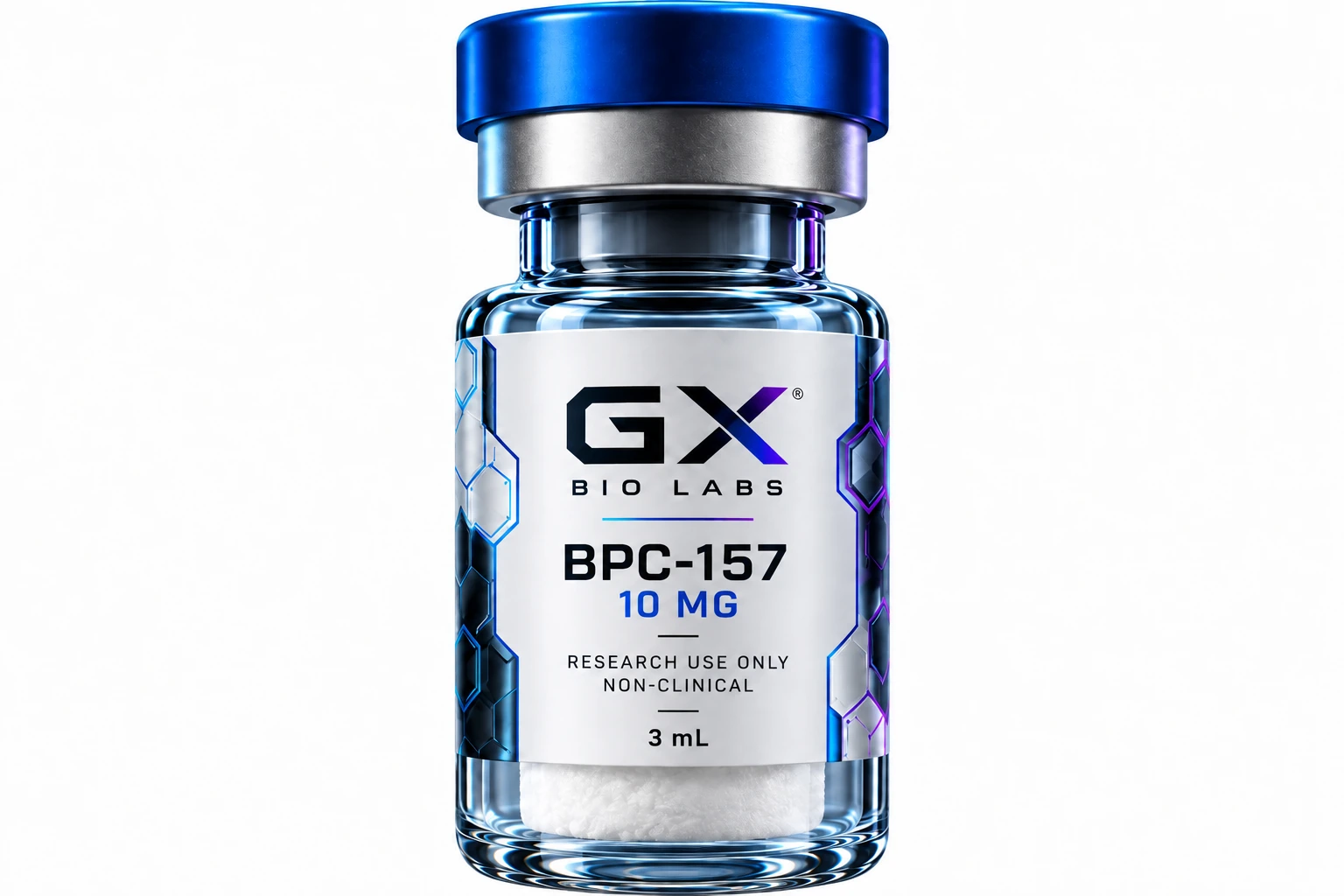
BPC-157 is a 15-amino-acid peptide investigated in preclinical models of tendon-cell signalling and blood-vessel formation.
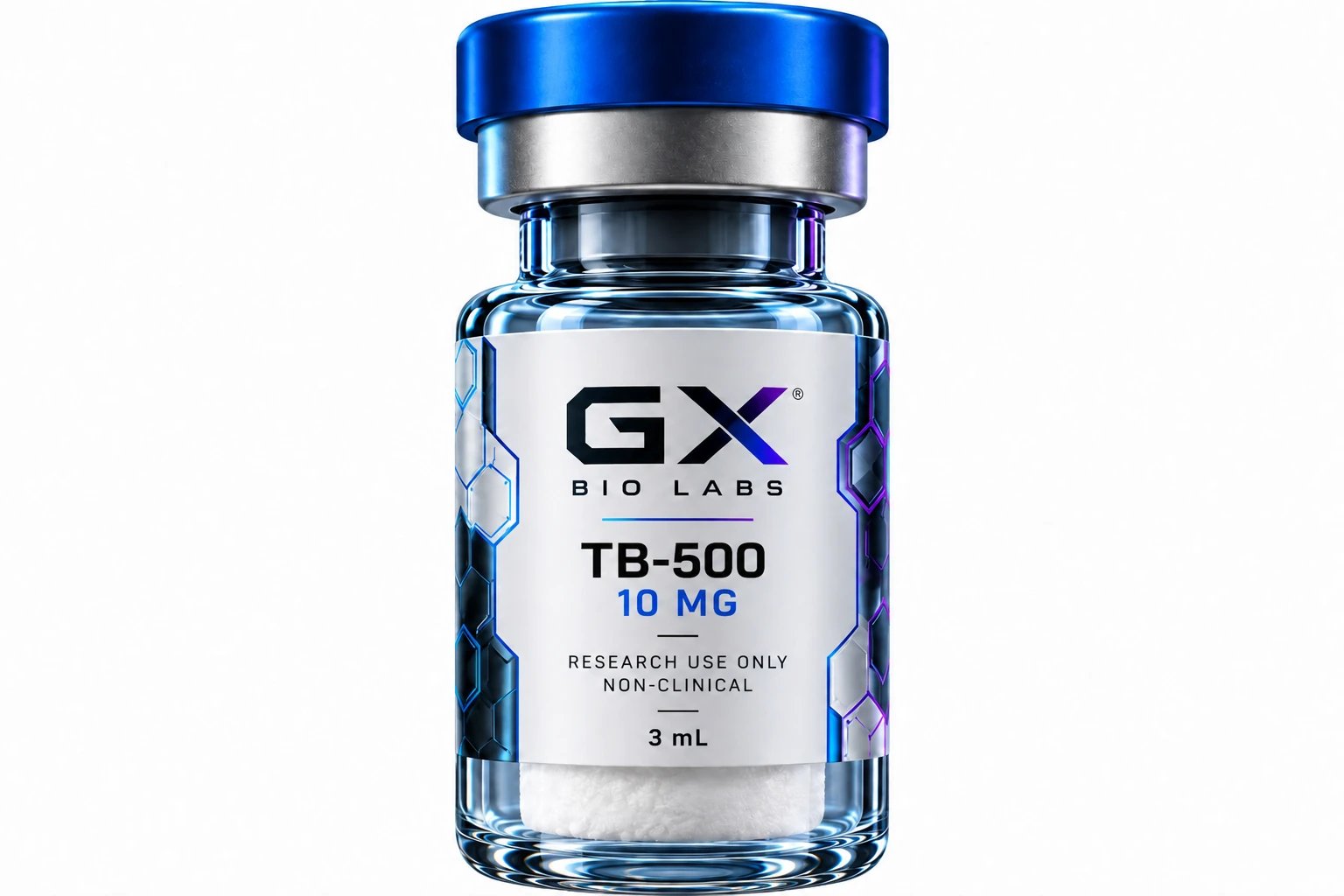
TB-500 is a name used for research material associated with thymosin beta-4. The exact peptide sequence must be established before matching it to published studies.